
Ottawa County Property Tax Records
Ottawa County property tax records are maintained by the county auditor in Port Clinton, Ohio. This Lake Erie county includes popular island destinations like Put-in-Bay and Kelleys Island, along with mainland communities known for fishing, boating, and vacation homes. The mix of year-round residences, seasonal cottages, and commercial tourism properties creates a unique tax base. Whether you own waterfront property on the islands or a home in Port Clinton, the auditor's office handles all assessed values, tax bills, and parcel data for the county.
Ottawa County Overview
Ottawa County Tax Assessment Process
The Ottawa County Auditor is responsible for assessing all real property in the county. Under ORC Chapter 319, the auditor must view and value every parcel. Ottawa County has a distinct property mix that sets it apart from most Ohio counties. Lakefront homes, island vacation properties, marinas, and campgrounds all sit alongside traditional residential neighborhoods and farmland. The auditor sets market value for each parcel, then applies the 35% assessment rate required by Ohio law.
Vacation and retirement properties on the Lake Erie islands present special challenges for appraisers. Access is limited to ferry or air travel for much of the year. Property values on Put-in-Bay and Kelleys Island can be quite high due to demand, even for small lots. The auditor tracks sales data carefully to keep island assessments accurate and fair. Mainland properties in areas like Port Clinton, Catawba Island, and Marblehead also carry premium values because of lake access.
Reappraisals occur every six years. Between full reappraisals, the auditor does a triennial update to adjust values based on market changes. During a reappraisal, staff may visit properties or use new sales data. If you think your value is wrong, you can file a complaint with the Board of Revision between January 1 and March 31 each year. DTE Form 2 is required, along with evidence such as comparable sales or a recent appraisal.
Searching Ottawa County Property Records
You can search Ottawa County property tax records at the auditor's office in Port Clinton. Staff can look up parcels by owner name, address, or parcel number. Check with the auditor to see if an online search portal is available for property data. Many Ohio counties now offer web-based tools for looking up parcels and tax information.
Each record shows the owner's name and mailing address, parcel number, legal description, and lot size. You will also see the land use class, land value, building value, and total assessed value. Tax amounts due and payment history are part of the file. The Ohio Department of Taxation provides general guidance on how property taxes work across the state.
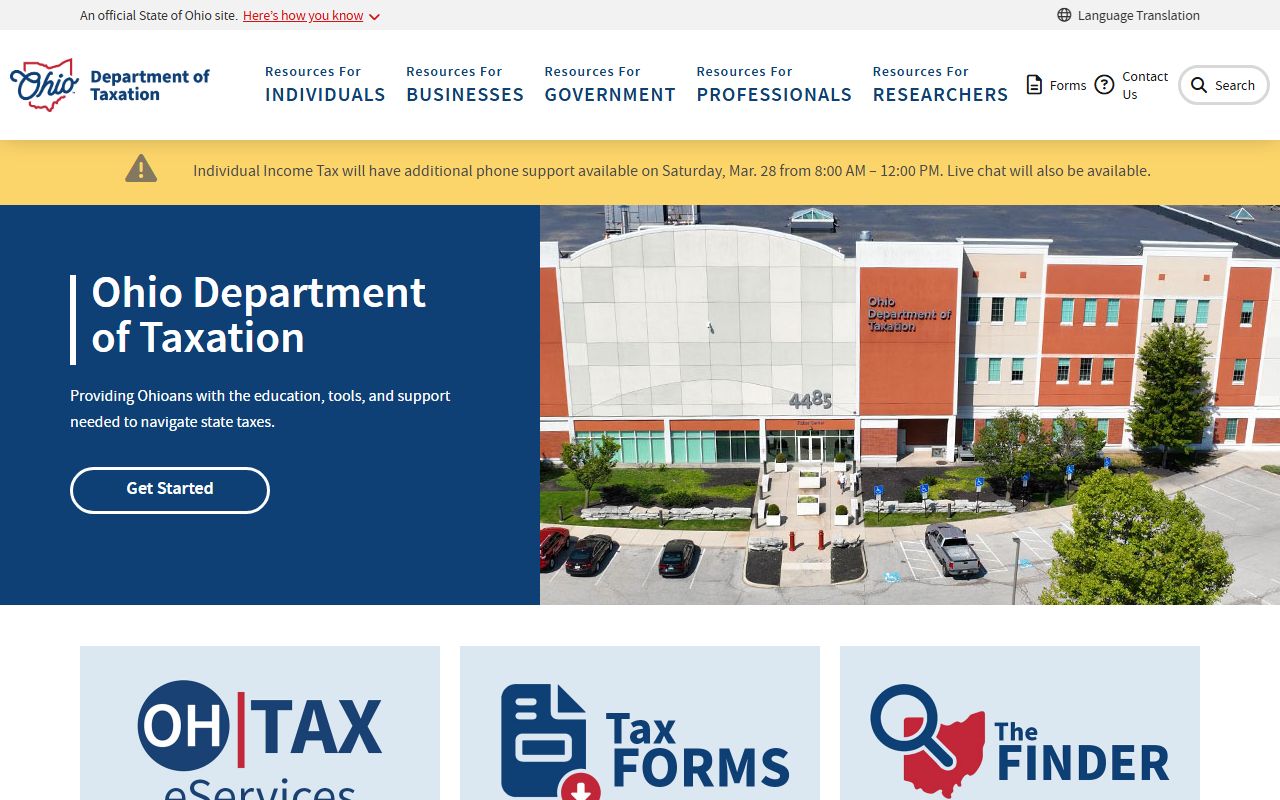
This state resource outlines how assessments and tax rates work, which helps Ottawa County property owners understand their bills.
Ottawa County Tax Rates and Levies
Tax rates in Ottawa County vary by district. Each district has levies for schools, fire, roads, and other services. Rates are set in mills, where one mill equals one dollar per thousand dollars of assessed value. Island tax districts may have different rates than mainland districts due to the services provided in each area.
ORC Chapter 5705 governs tax levies in Ohio. Most new levies require voter approval. House Bill 920 provides reduction factors that help limit tax bill increases when property values rise during a reappraisal. The auditor applies these factors each year. Ottawa County homeowners who live in their property get the 2.5% owner-occupied credit. The 10% non-business credit, often called the rollback, also applies to qualifying residential property.
Property Tax Exemptions in Ottawa County
Several tax relief programs are available to Ottawa County property owners. The homestead exemption lets seniors 65 and over, or permanently disabled residents, exempt up to $25,000 of their home's market value. Disabled veterans with a 100% service-connected rating can exempt up to $50,000. These exemptions apply only to primary residences, so vacation home owners on the islands would not qualify for their seasonal property.
The Current Agricultural Use Value program, or CAUV, can help farmland owners on the mainland reduce their tax burden. This program taxes farmland based on production value rather than full market value. The auditor processes applications and reviews eligibility each year. Forest land may also qualify for reduced rates under ORC Chapter 5713.
- Homestead exemption for seniors 65 and older or permanently disabled residents
- Enhanced homestead for disabled veterans with 100% service-connected disability
- Owner-occupied credit of 2.5% for primary residences
- CAUV program for agricultural land on the mainland
- Non-business credit (10% rollback) for qualifying residential property
Paying Ottawa County Property Taxes
The Ottawa County Treasurer collects property taxes. Bills go out by the end of December. The first half is due in late January or February. The second half is due in July. Missing a deadline means interest and penalties start to add up right away. Under ORC Chapter 5715, the treasurer can certify delinquent taxes and pursue a tax lien sale.
You can pay in person at the treasurer's office in Port Clinton. Check with the treasurer about mail and online payment options. For island property owners, paying by mail or online can be especially helpful since getting to the mainland courthouse is not always easy. Keep your receipt as proof of payment in case of any future disputes.
Board of Revision Appeals
If you believe your Ottawa County property value is too high, you can file a complaint with the Board of Revision. The board meets at the courthouse in Port Clinton and includes the county auditor, treasurer, and president of the county commissioners. Filing is free. You will need comparable sales data or a recent appraisal to support your case.
Hearings are typically held between April and June. You present your evidence and explain why the value should be lower. The board's decision can be appealed to the Ohio Board of Tax Appeals. Most cases get resolved at the local level.
Nearby Counties
Ottawa County borders several other Ohio counties along the Lake Erie shore and inland. If you own property near a county line or want to compare tax rates, these pages may help.